

Plant Points: The Simple Solution to Getting More Fibre Into Your Diet
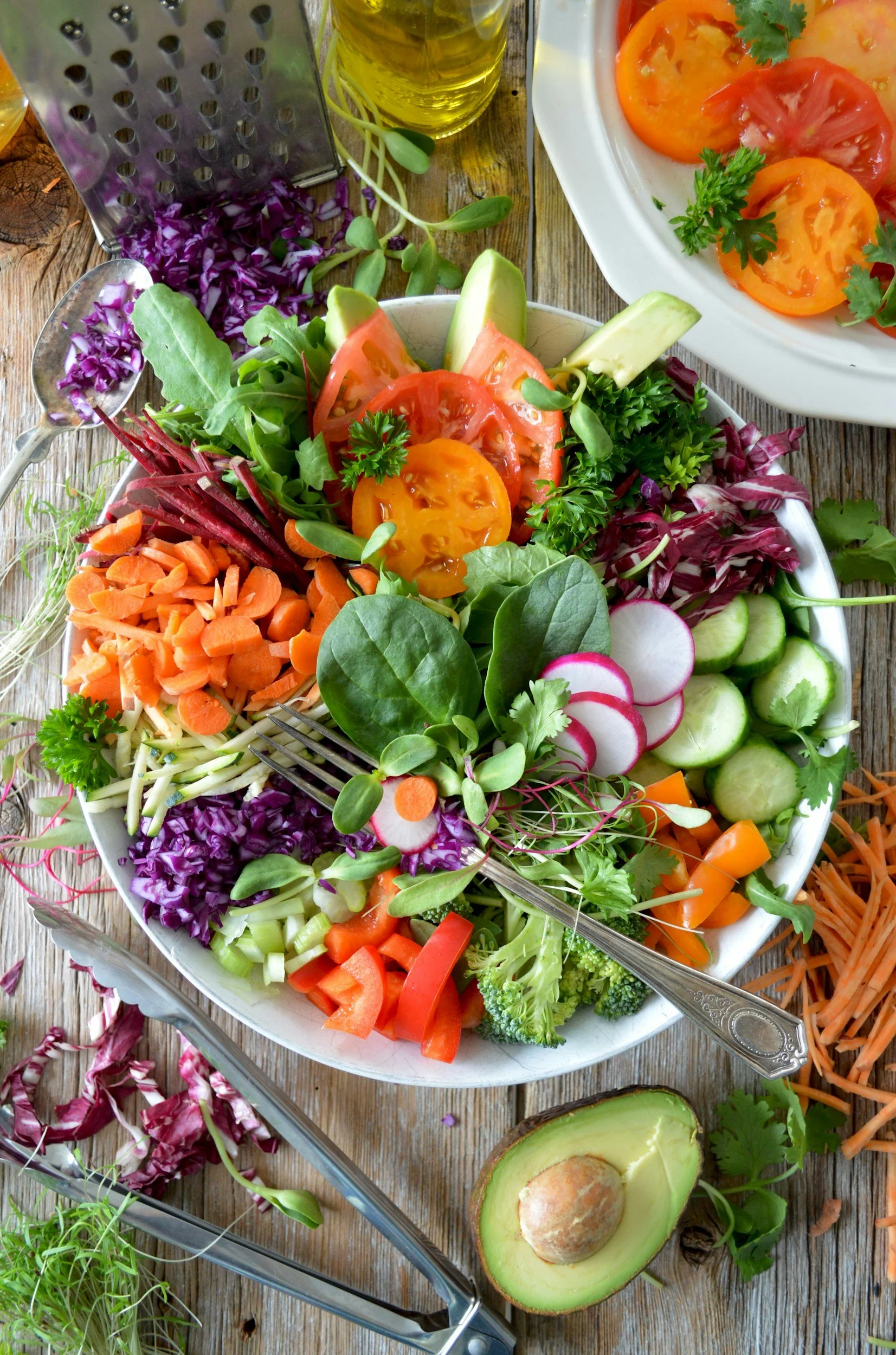
If you’ve ever been told to “just eat more fibre” and felt completely overwhelmed & unsure where to even start — this is for you.
One of the simplest, most effective ways to improve gut health, energy, blood sugar balance, and long‑term metabolic health isn’t about cutting foods out… it’s about adding more plants in. This is where the concept of plant points comes in. But why the magic number of 30? Lets dive in……
Why 30 Plant Points?
You’ve probably heard the advice to aim for five serves of fruit and vegetables a day. While that’s a decent baseline, it doesn’t reflect what we now understand about gut health.
Your gut is home to an estimated 40 trillion microorganisms, and they don’t all eat the same thing. Each bacterial strain has its own preferred fuel source, which means variety matters far more than volume alone. When you regularly rotate and diversify the plants you eat, you encourage a stronger, more adaptable microbiome.
A diverse microbiome plays a key role in:
Educating and regulating the immune system (with roughly 70% of immune cells located in the gut)
Improving resilience to infections and illness
Supporting the integrity of the gut lining
Assisting with hormone regulation and vitamin synthesis
Communicating with the brain, influencing mood and mental clarity
Supporting healthy blood sugar balance, cholesterol levels, and long-term disease prevention
And that’s just scratching the surface.
A large body of research supports this approach. The American Gut Microbiome Study collected stool samples from over 10,000 people across 45 countries (primarily the US, UK, and Australia) and explored the relationship between diet, lifestyle, and health. One of the standout findings was that participants who consumed 30 or more different plant-based foods per week had a significantly more diverse microbiome than those eating fewer than 10. Greater microbiome diversity has been linked to a reduced risk of conditions such as obesity, type 2 diabetes, and ageing-related diseases including Alzheimer’s. When this approach has been applied in clinical settings, the results are often rapid and noticeable — with improvements in energy, digestion, skin health, and overall confidence occurring within weeks.
This is why 30 plant points per week has become a practical and achievable target.
What Counts as a Plant Point?
A plant is any food that has been grown.
Plant foods fall into six key categories — known as the Super Six:
Vegetables
Fruits
Wholegrains
Legumes (beans and pulses)
Nuts and seeds
Herbs and spices
Research suggests that regularly eating across all six groups can add years of healthy life expectancy.
This approach isn’t about becoming vegetarian or vegan (unless you want to). You can absolutely include meat, fish, eggs, and dairy — the goal is simply to build plant diversity around your protein. And yes, this applies to vegetarians and vegans too — plant variety still matters.
How Do You Calculate Plant Points?
Plant points are a simple way to track plant diversity across the week.
Each different plant food = 1 plant point
Herbs and spices = ¼ point each
A few important rules:
Eating the same plant twice (e.g. two apples) still counts as 1 point
Different colours count as different plants (red apple + green apple = 2 points)
Fresh, frozen, dried, and canned all count (choose no‑added salt or sugar where possible)
Extra virgin olive oil, tea, coffee, garlic = ¼ point
Vegetable stock = ½ point
Refined foods (fruit juice, white bread, white pasta) don’t count — aim for whole foods
At the beginning, focus on diversity, not portion sizes. Portion awareness can come later.
What Could 30 Plant Points Look Like?
Vegetables: Green beans, beetroot, rocket, sweet potato, courgette, carrots, mushrooms, red pepper, red onion, broccoli, peas, spinach, kale
Fruits: Blueberries, strawberries, kiwi fruit, dates, bananas, oranges, apples, pears, cherries, blackberries, plums, melon
Wholegrains: Quinoa, buckwheat, oats, barley, wheatberries, wholegrain bread
Legumes: Chickpeas, kidney beans, black beans, cannellini beans, adzuki beans, butterbeans, black‑eyed beans, lentils (brown, green, red, yellow)
Nuts & Seeds: Sunflower seeds, pumpkin seeds, hemp seeds, linseeds, poppy seeds, sesame seeds, chia seeds, flax seeds, hazelnuts, walnuts, almonds, pistachios, cashews, Brazil nutsds:
Plus plenty of herbs and spices — rosemary, paprika, cumin, turmeric, cinnamon, black pepper — all boosting flavour and plant points.
Why This Works for Fibre (and Fat Loss)
Fibre is the primary fuel for your gut bacteria. When you increase plant diversity, you naturally increase fibre intake — without needing supplements or restrictive rules.
More fibre supports:
Better appetite control and satiety
Improved blood sugar regulation
Reduced inflammation
Healthier hormone signalling
A metabolism that feels supported, not stressed
Fat loss becomes easier when the body feels nourished, stable, and safe — and fibre plays a huge role in creating that internal environment.
My Key Takeaway:
Most of us fall into food ruts — especially when life is busy. Online shopping, routine meals, and convenience foods make it easy to repeat the same 4–5 meals every week.
But good gut health doesn’t need to be complicated, expensive, or time‑consuming.
Adding more plant points is one of the simplest, most powerful changes you can make — and the benefits ripple far beyond digestion.
Start small. Add one new plant a day. Sprinkle more herbs & spices. Rotate fruits. Swap grains. Build variety over time.
Your gut — and your whole body — will thank you.
About the author: ANNA Barry (MHumNutr) ANutr, NSA.
References:
PMID: 29795809
https://doi.org/10.1016/j.copbio.2015.01.002